Since 2014, the Federal Parents’ Representative Body for Children in Daycare Facilities and
Child Day Care (bevki) has served as a statutory, volunteer-based
body representing the interests of parents and legal guardians of children of daycare age
in dealings with policymakers. The bevki may and should advise the federal government; it must be consulted
on all daycare issues. Its rights to co-determination are guaranteed in SGB VIII
Art. 83, para. 3.
Our Members
The Network for Joint Democracy-Building in Early Childhood Education is for everyone who is committed to ensuring equal educational opportunities.
-
bevki
-
GEW — The Education Union
As an education union within the German Trade Union Federation, we stand up for all people working in educational and academic professions and advocate for their interests. The GEW is politically independent but not impartial. This means we take a stand for workers and for the development and expansion of a democratic education system. Education must include everyone and break down existing social inequalities. There must be no exclusion based on origin, social status, religion, gender, or nationality. We advocate for the right to education for everyone within an inclusive education system.
-
nifbe e.V. – Lower Saxony Institute for Early Childhood Education and Development
Founded in 2007, nifbe guides and supports the professionalization of early childhood education in institutional child care settings. One of its main tasks is to foster collaboration across the various levels of early childhood education and to focus on “knowledge transfer through dialogue.” New scientific findings and concepts are disseminated to child care centers, and current challenges, needs, and successful practical approaches are fed back into the academic community. This includes the implementation and support of needs-based and process-oriented intervention formats—such as the state-wide professional development initiatives addressing current educational policy challenges—as well as knowledge transfer through third-party funded projects. Transfer products are then disseminated in the field. Furthermore, democracy-building is continuously addressed in scholarly publications, in specialized texts on the website, and in (online) event series.
-
State Capital of Hanover
In the state capital of Hanover, there are a total of 475 daycare centers run by a wide variety of organizations. We have already made significant progress in raising awareness about discrimination, for example, through the ongoing development of our family centers and through staff training. Together with the independent providers, we want to continue working in practice to eliminate discrimination; to this end, we are happy to draw on the ideas from DeZIM and GeDAB and would like to contribute our findings to the guide planned by GeDAB.
-

Miriam Zeleke, Certified Educator
Miriam Zeleke holds a degree in education and serves as the State Commissioner for the Support and Participation of Children and Youth in Hesse. She also serves on the board of the Child Protection Association in Rhineland-Palatinate. Her areas of focus include early childhood education, organizational development, and children’s rights.
-
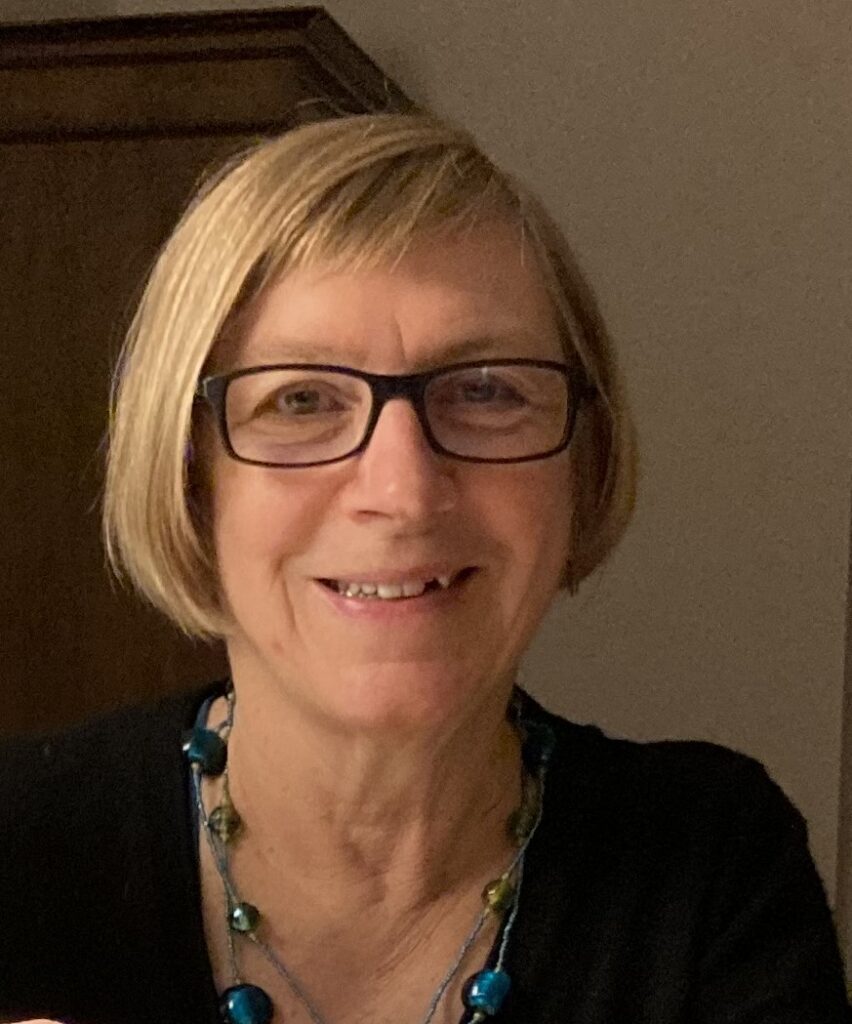
Petra Wagner, Certified Educator
Petra Wagner was a co-founder and, from 2000 to 2024, director of the Kinderwelten Center for Anti-Bias Education and Upbringing at ISTA/INA Berlin gGmbH. From 2011 to 2021, she served as director of ISTA. Since 2025, she has been working as a consultant at the Institut Kinderwelten für diskriminierungskritische Bildung e.V. (Institute for Education Critical of Discrimination). She has also authored numerous publications on the theory and practice of inclusion, democracy education, multilingualism, and anti-bias education and upbringing in early childhood education centers.
-
ISTA
The Institute for the Situational Approach (ISTA) at the International Academy Berlin (INA) gGmbH was founded in 1996 and is dedicated to the further development and dissemination of the situational approach.
Through continuing education and training programs, as well as various research and practical projects focused on the Situational Approach, quality development, and evaluation, children’s rights, and child protection, ISTA works to acknowledge and take seriously all perspectives—including, and especially, those of children—to explore them, and to give them space—at all levels, from research to daycare practice, from daily group life to the organizational level.
To this end, children’s perspectives have been gathered in all projects since 2016. -

German Foundation for Children and Youth
For over 30 years, the German Children and Youth Foundation has been working to promote a just, democratic, and diverse society in which children and young people can grow up well and find opportunities for their future. To this end, it focuses on education that supports every child from the very beginning and ensures that young people can have a say, help shape their future, and get involved.
-
The Federal Association of Parent Initiatives, Inc.
The Federal Working Group of Parents’ Initiatives (BAGE) e.V. is a nationwide association of 29 regional contact and counseling centers, umbrella organizations, and state working groups of parents’ initiatives and other providers of self-organized child day care. Its executive office represents the interests of parents’ initiatives at the federal level. Founded in 1986, the initiative promotes self-help among parents and families, parental autonomy, and civic engagement.
Through its members, BAGE offers advice and support to parent-led initiatives and self-organized child care programs. It also organizes nationwide conferences and professional development events for advocates, educators, and parents. They also publish materials on various educational and structural topics relevant to parent-led initiatives and small independent providers. Together, they advocate for self-organized, needs-based, and high-quality child care.
-
Lower Saxony Migrant Parents Network
The Lower Saxony Migrant Parents Network, which is supported by the umbrella organization amfn e.V., has been advocating for equal opportunities for children and youth with a migration background since 2011. The goal is to create the conditions for greater social participation through improved educational opportunities. To achieve this, we connect, inform, and empower immigrant parents both statewide and locally so that they can confidently and assertively advocate for their children’s education. By representing their concerns as a political advocacy group before schools, municipalities, and the state of Lower Saxony, we contribute to greater equality of opportunity. Our work is empowering, participatory, and designed to address both individual and structural issues, and it is firmly rooted in the local community.
-
Federal Parents’ Network of Migrant Organizations for Education and Participation
The Federal Parents’ Network of Migrant Organizations for Education and Participation (bbt) works nationwide to strengthen parents and families with a migration background through political advocacy, educational and empowerment programs, and the networking of migrant organizations. At the heart of its work is close collaboration with member organizations; the association brings together their experiences and perspectives, raises their visibility, and incorporates them into debates on education and social policy. In addition, the bbt develops concepts and materials, organizes events, and advises policymakers and institutions on how to break down barriers in the education system and promote the equal participation of families with a migration background.
-
Language Education in Daycare Centers
“Language Education in Daycare Centers” is a professional development and research project focused on training and quality assurance in the area of language education integrated into daily life in Schleswig-Holstein, which is funded by the Ministry of Social Affairs, Youth, Families, Seniors, Integration, and Equality (project duration: 2021–2028). “Language Education in Daycare Centers” has developed conceptual guidelines for a continuing education program focused on professional development and quality assurance and is implementing concrete measures for quality development, management, and assurance with a view to professionalizing early childhood educators in Schleswig-Holstein. The two-stage continuing education program is scientifically grounded and empirically validated. It expands the competencies of early childhood educators and contributes to the further development of their pedagogical practices in the area of language education integrated into everyday life.
-
Association of Binational Families and Partnerships, iaf e.V.
The Association of Binational Families and Partnerships, iaf e.V., has been advocating for the interests and needs of binational, migrant, and transnational families for decades. One of its core issues is education—and, in particular, early childhood education. In parent groups, family gatherings, and our numerous projects, we take up the ideas and input from families and share them with professionals, advocates, and policymakers through workshops, continuing education programs, publications, conferences, and position statements. A particular focus has been—and continues to be—incorporating families’ multilingualism into educational approaches, as well as developing guidelines for educational and play materials that are diversity-conscious and critical of discrimination.
-
Black Sheep, Inc.
Schwarze Schafe e.V. is a nationwide organization that offers educational programs, professional development courses, organizational development processes, and lectures focused on empowerment and anti-racist education. The association’s goal is to create spaces for raising awareness and fostering dialogue, as well as to support the empowerment of people who are identified with socially marginalized groups.
There is a particular focus on the practical application of theoretical content. All programs are tailored to the real-life situations of their respective target groups in order to achieve a sustainable and targeted impact. The target groups include, in particular, child and youth welfare services, early childhood education institutions, schools, government agencies, self-help organizations, and associations.
-
ZEOK
ZEOK e. V. is a well-established educational organization in eastern Germany, based in Leipzig. Through its educational and cultural programs, the association creates spaces for encounter, exchange, and collaborative learning and relearning. It advocates nationwide for a society that is critical of racism, oriented toward diversity, and just: discriminatory structures are brought to light in training programs for educators and community leaders and addressed in publications and educational materials. From 2020 to 2024, the association was a partner in the nationwide Competence Network on Islamophobia and Anti-Muslim Sentiment, funded by “Demokratie leben!” Since 2025, it has been a partner in the nationwide “Critique of Racism” cooperative network within the federal “Demokratie leben!” program, specifically in the program area “Development of a Nationally Centralized Infrastructure.”
-
Forum of International Women of Baden-Württemberg, Inc.
The Forum Internationaler Frauen Baden-Württemberg e.V. was founded in November 2015, initially under the name “Arbeitsgemeinschaft der internationalen Frauen” (Working Group of International Women), with its headquarters in Stuttgart. In 2018, the organization was renamed and registered as the “Forum of International Women in Baden-Württemberg” (FIF), a nonprofit professional association dedicated to representing women and women’s organizations with migration backgrounds in Baden-Württemberg. The FIF advocates for the rights of women and girls with migration and refugee backgrounds in Baden-Württemberg.
-
Youth and Social Services gGmbH
Jugend- und Sozialwerk gemeinnützige GmbH – Berlin Region operates 24 daycare centers throughout the city of Berlin. All daycare centers operate in accordance with the Berlin Education Program. Whether in the green neighborhood of Reinickendorf or in the family-friendly district of Lichtenberg, all centers practice and continue to develop education and care that is free from prejudice. From the very beginning, children are given the opportunity to realize their developmental potential and expand their skills in line with their interests. They are supported in this by dedicated and sensitive educational professionals.
-
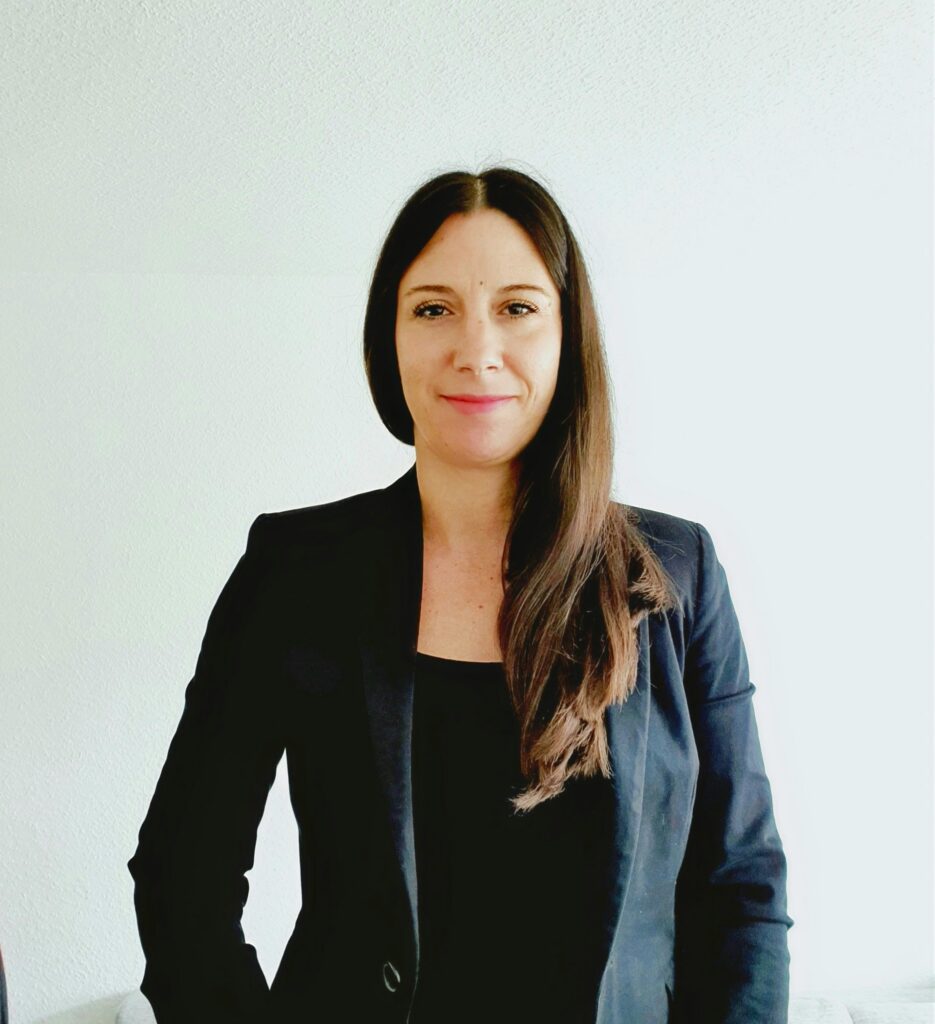
Dr. Laura Di Venanzio
Dr. Laura Di Venanzio works as a research assistant at the Institute for German as a Second and Foreign Language at the University of Duisburg-Essen. Her work focuses on aspects of multilingual language acquisition and the institutional promotion of
everyday multilingualism. -
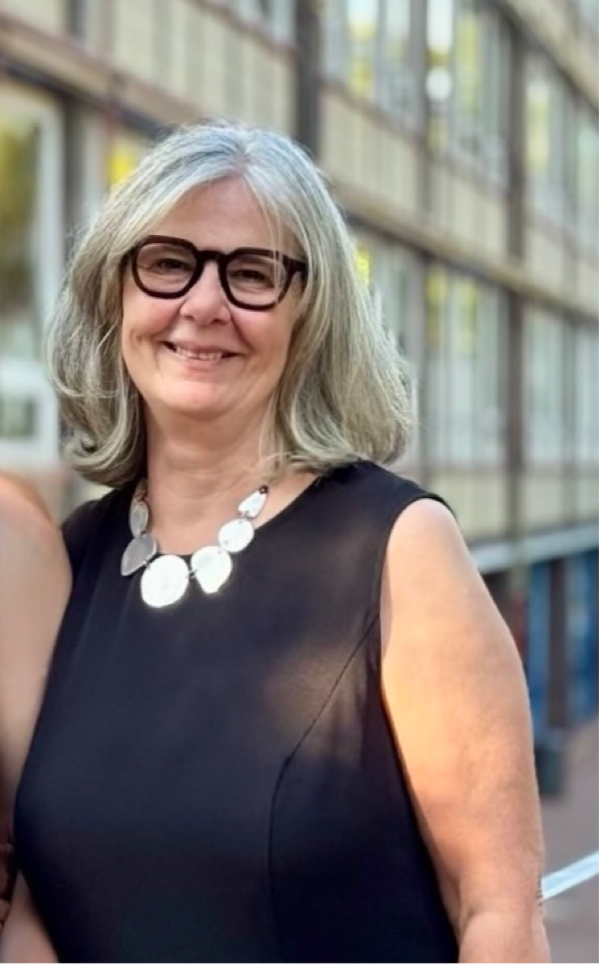
Isolde Schaugg, Certified Educator
Isolde Schaugg is a certified educator and systemic therapist. She works as an educator at the Institut für Soziale Berufe gGmbH in Stuttgart, where she teaches future social service assistants and early childhood educators. One of her areas of focus is the language development of monolingual and multilingual children and educational partnerships with parents.
-
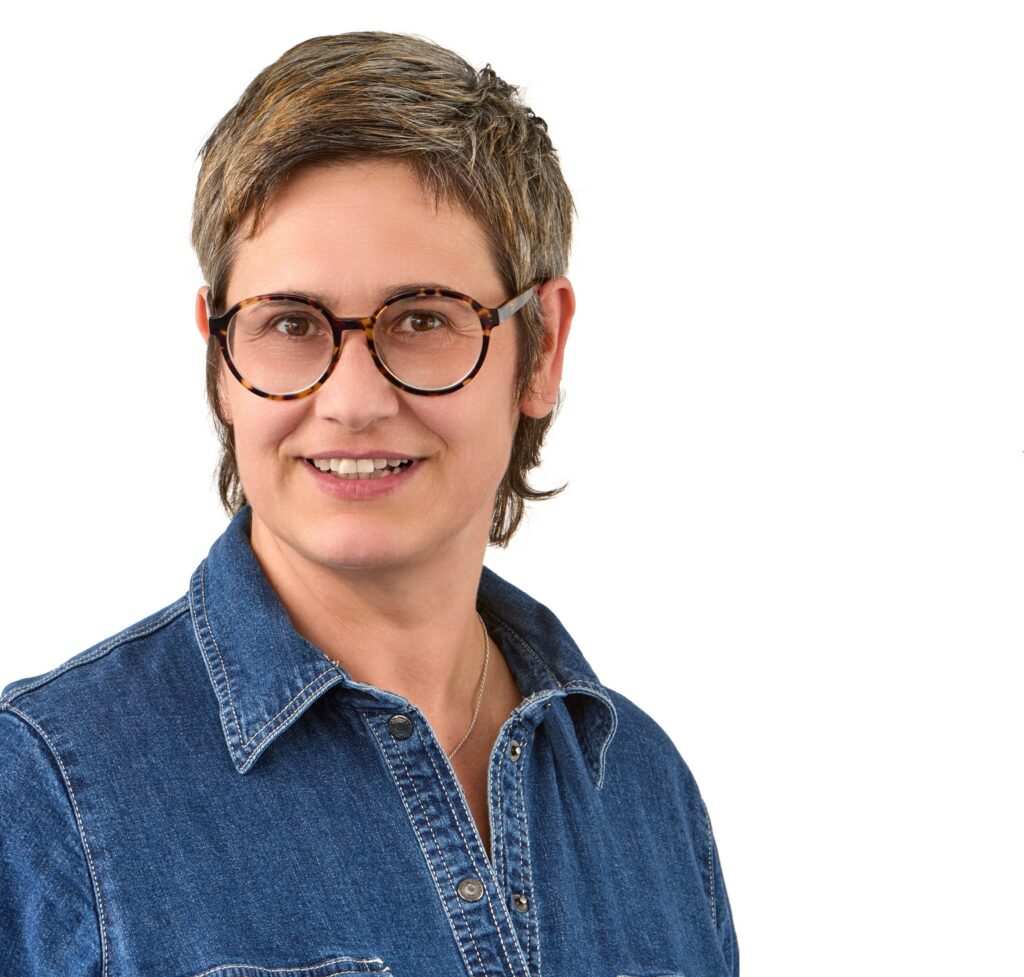
Dr. Julia Jancsó
Dr. Julia Jancsó is a sociologist and works as a consultant in the municipal daycare centers of the City of Frankfurt am Main, focusing on diversity, sex education, and child protection. She earned her Ph.D. in education with an ethnographic study on pediatric checkups.
-
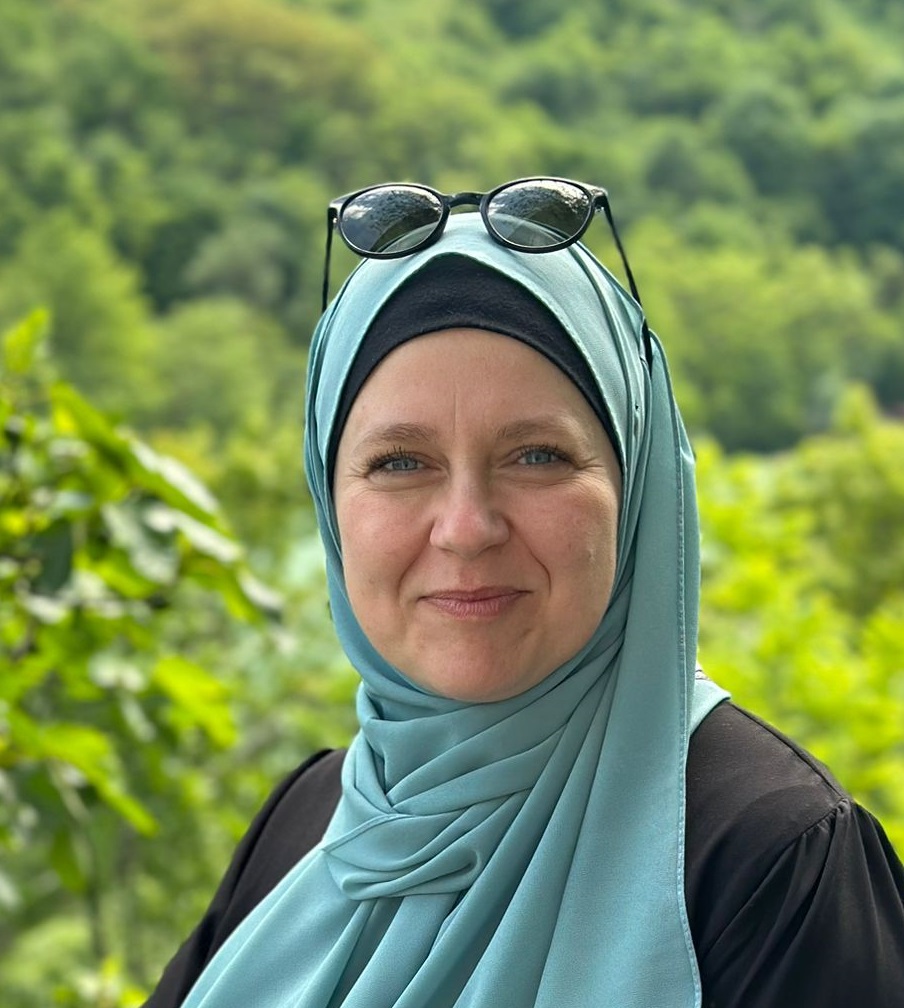
Agata Skalska, Ph.D. candidate
Agata Skalska, Ph.D. candidate, is a childhood education specialist and assistant professor at Düsseldorf University of Applied Sciences. Her research focuses on children’s rights, diversity, critical perspectives on racism, and childhoods within generational frameworks. She is an advocate for bias-aware education and upbringing in early childhood education centers. In addition, she serves as vice chair of the German Korczak Society, a board member of the International Korczak Society, and vice chair of the Düsseldorf Muslim Community.
-

Chantal Chisley
Chantal Chisley works at the Polish Social Council e.V. and is committed to strengthening participation and co-determination in a diverse society. Since 2024/2025, she has been a member of the Participation Advisory Board and the Committee on Diversity and Anti-Discrimination for the Friedrichshain-Kreuzberg district. Her areas of focus include participation, social inclusion, and anti-racism. In addition, she has a particular interest in working with children and young people and is committed to involving young people in democratic processes and making their perspectives visible.
-
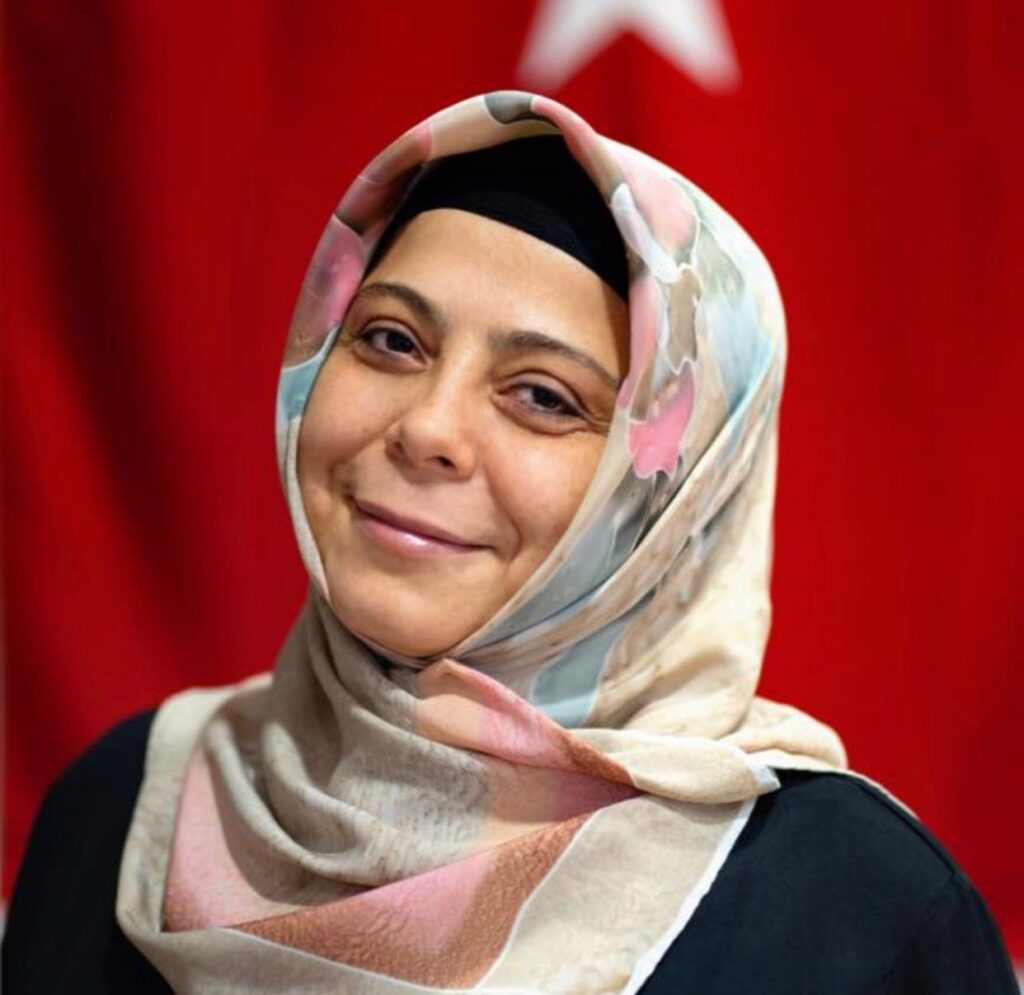
Nejla Coşkun
Nejla Coşkun is an NLP coach and NLP trainer, as well as a certified anti-discrimination counselor. Throughout her professional career, she has specialized in diversity-sensitive educational work, systemic support, and empowerment processes. Previously, she worked in various educational and consulting contexts, developing a broad professional profile that shapes her current work as an adult education instructor and course leader for German-as-a-Second-Language courses. Her commitment to social and educational policy was recognized with the Federal Cross of Merit.
-
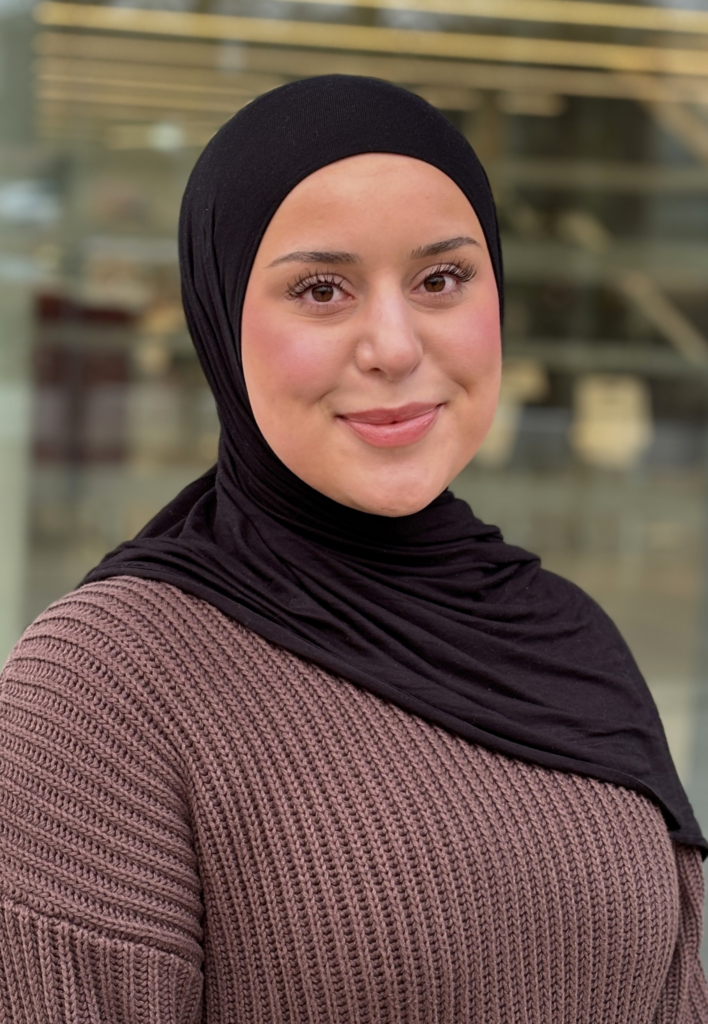
Eda Kaya
Eda Kaya works as an educational scientist and research assistant at the University of Hildesheim. Her research interests focus on the fields of early childhood education, the construction of difference, and anti-racist educational approaches. In her doctoral research, she is examining strategies for addressing and coping with racism in child care centers.
-
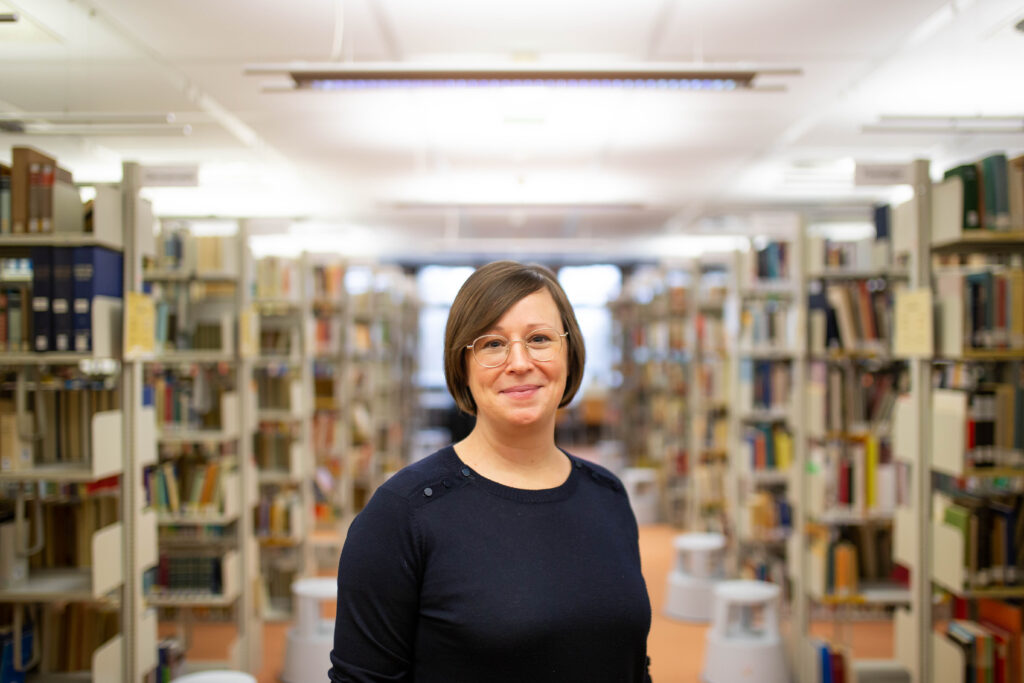
Prof. Dr. Nina Hogrebe
Prof. Dr. Nina Hogrebe is a professor of education at the Institute for Social Pedagogy, Adult Education, and Early Childhood Education at TU Dortmund University. Her research focuses on early childhood education in child care settings, educational inequalities and segregation, governance and funding in the education and social services sectors, as well as quality development and evaluation.
-
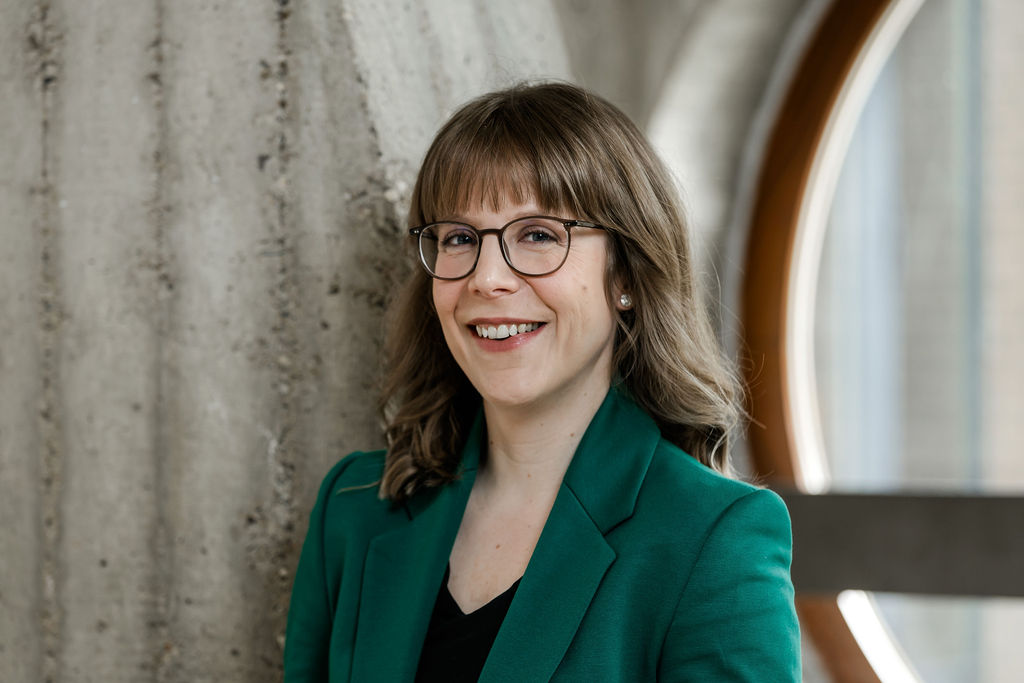
Dr. Sylvia Nienhaus
Dr. Sylvia Nienhaus works as a research associate at the Protestant University of Applied Sciences Bochum and as a consultant at the Diakonisches Werk Rheinland-Westfalen-Lippe e.V. Her research and teaching focus on early childhood education, diversity and inequality, as well as qualitative multilevel analysis and ethnography.
-
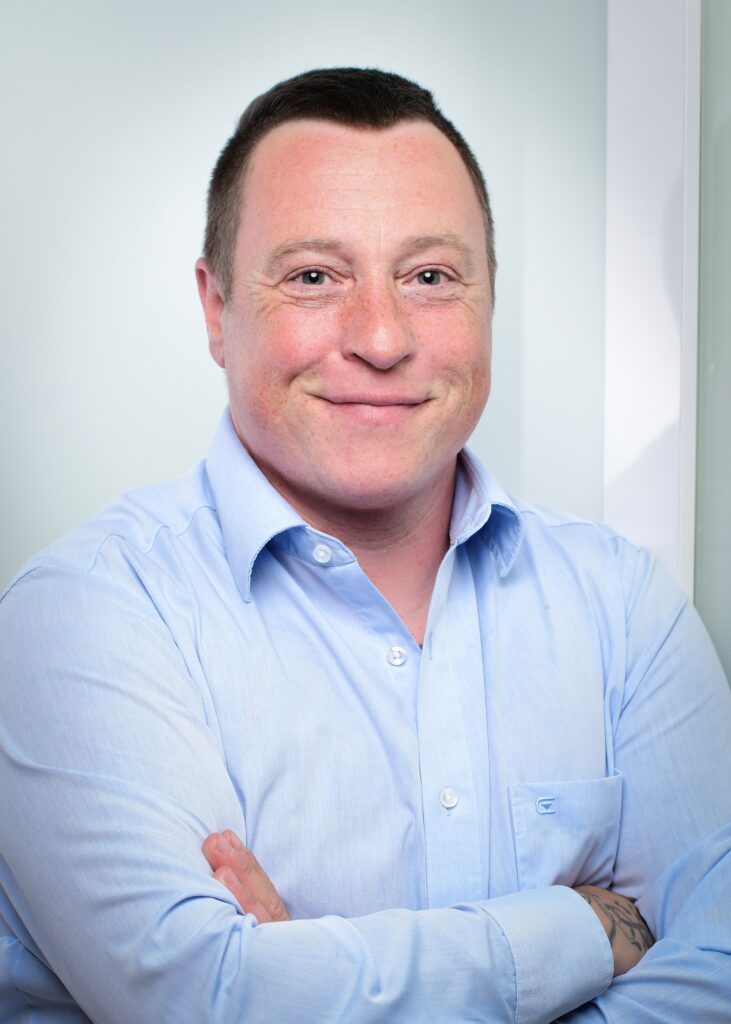
Bennet Kohl
Since 2021, Bennet Kohl has been working as a project coordinator at the European University of Flensburg on the research and professional development project “Language Education in Daycare Centers.” His work focuses on advising and supporting various stakeholders in the field of daycare centers, as well as organizing the content for annual conferences in Schleswig-Holstein.
-
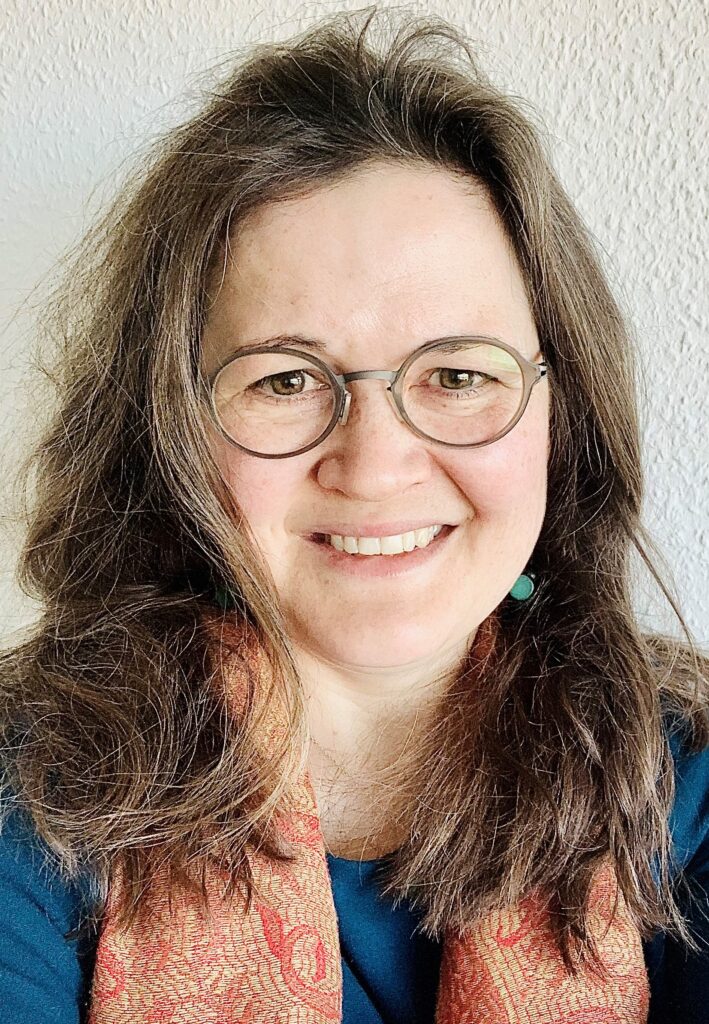
Prof. Dr. phil. Solveig Chilla
Prof. Dr. Solveig Chilla is a professor of education for individuals with language and communication impairments. She has been working at the European University of Flensburg since 2018. In her research and teaching, as well as in her projects and publications, linguistic heterogeneity, educational inequality, multilingualism, language impairments, inclusion, and language education in daycare centers are central themes.
-
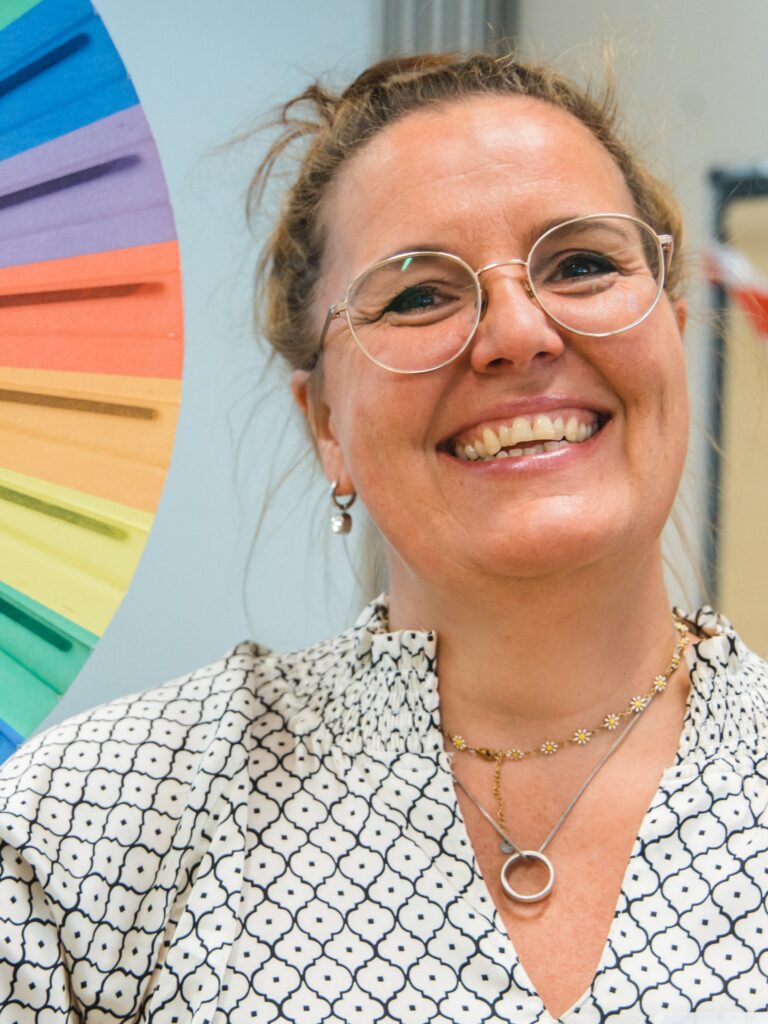
Kari Bischof-Schiefelbein is an educational consultant and speaker specializing in children’s rights, participation, inclusion, and democracy education in early childhood education. As a freelancer, she supports daycare teams and providers in conceptual and quality development processes and, as an educator, conducts professional development sessions, workshops, seminars, and training programs. Learn more on her website.
Image credit: C. Mangler/Der Paritätische /
-
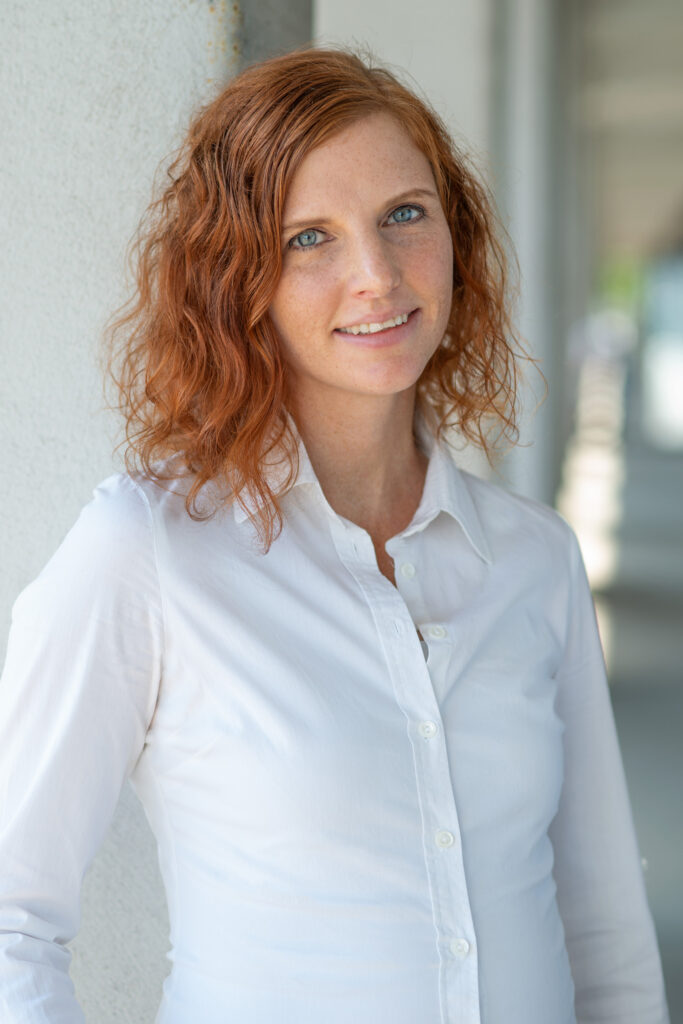
Jessica Schuch
Jessica Schuch is a supervisor (DGSV), social pedagogue, and psychodramatist. She works as a freelance professional in continuing education and training, focusing on institutional child protection and democracy education in early childhood. Her programs combine creative methods, such as improvisational theater, with professional reflection. She also supports teams and leaders through supervision, coaching, and process consulting.
Blog
-
Statement on the Planned Mandatory Language Tests & ABC Classes
As part of the planned language assessment and the preparatory year for school readiness, Dr. Seyran Bostancı, Dr. Anna Aleksandra Wojciechowicz, and Benedikt Wirth have authored a scientific statement.
-
Statement on the Planned ABC Classes in North Rhine-Westphalia
Analytical statements on the planned language screenings and ABC classes in North Rhine-Westphalia and their impact on language education and educational inequalities.
Our newsletter
The newsletter is published three to four times a year and provides information on the topic of building democracy together in early childhood education.
We use Rapidmail to send our newsletter. Please also note our privacy policy.